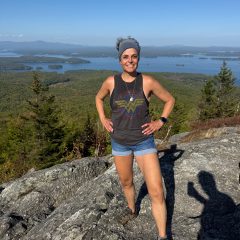

Last year, on my birthday, I colored my hair for the last time.
Not because gray hair matters.
But because something stopped making sense.
I was listening closely to my body when it came to food, sleep, stress, recovery, training, gut health, and hormones. I was careful and disciplined. And yet, when it came to how I looked, I was doing the opposite. Sitting longer than recommended in a chair. Letting chemicals soak into my scalp so my white roots wouldn’t show. Ignoring the same body I claimed to respect everywhere else.
That disconnect mattered.
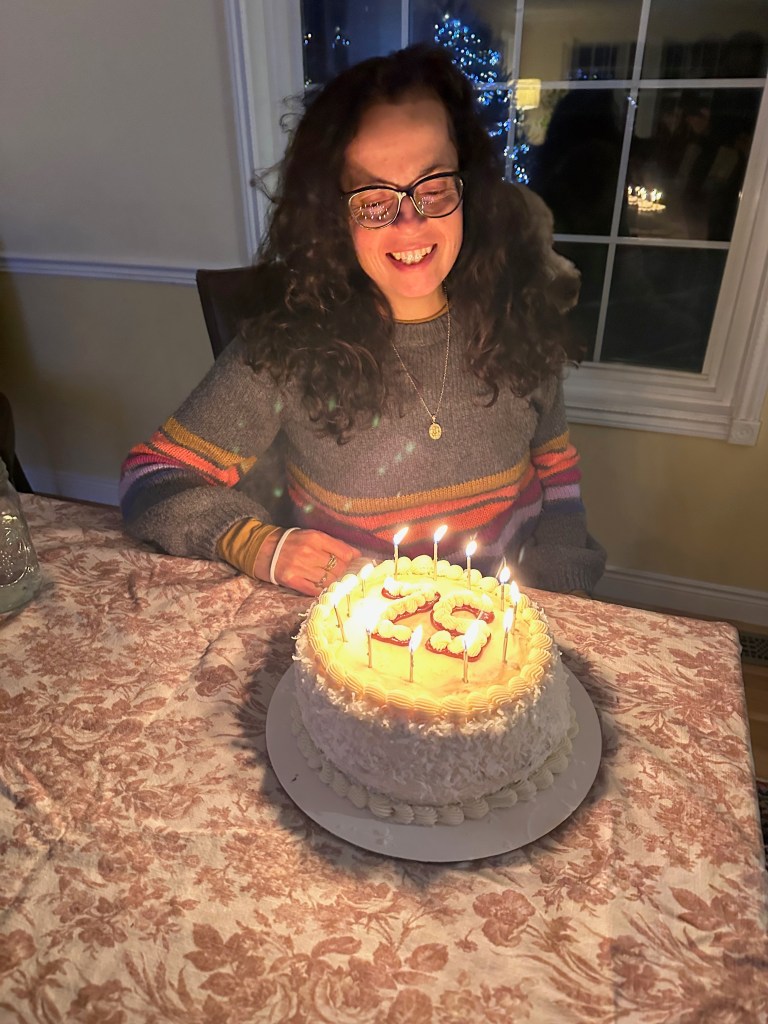
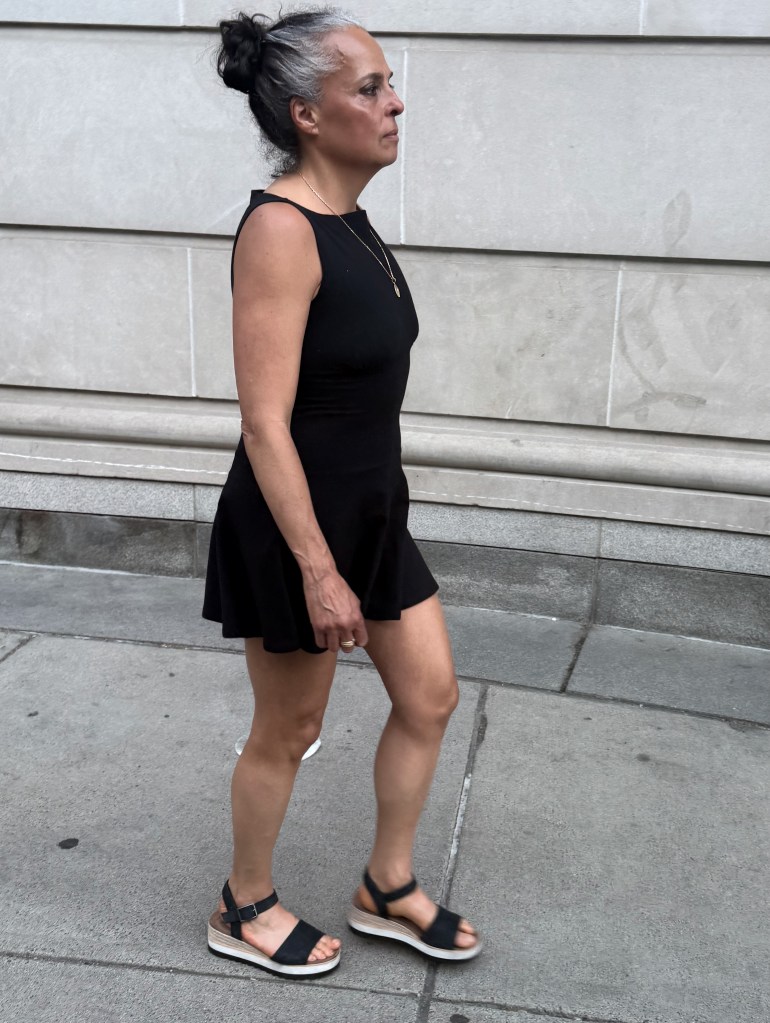
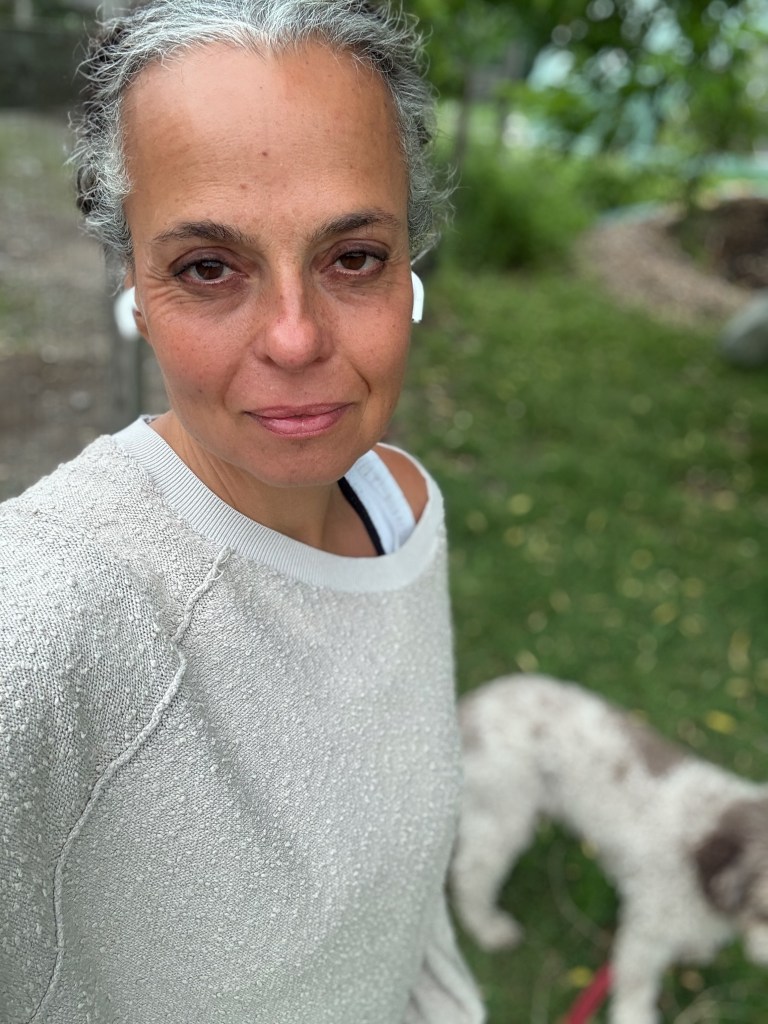
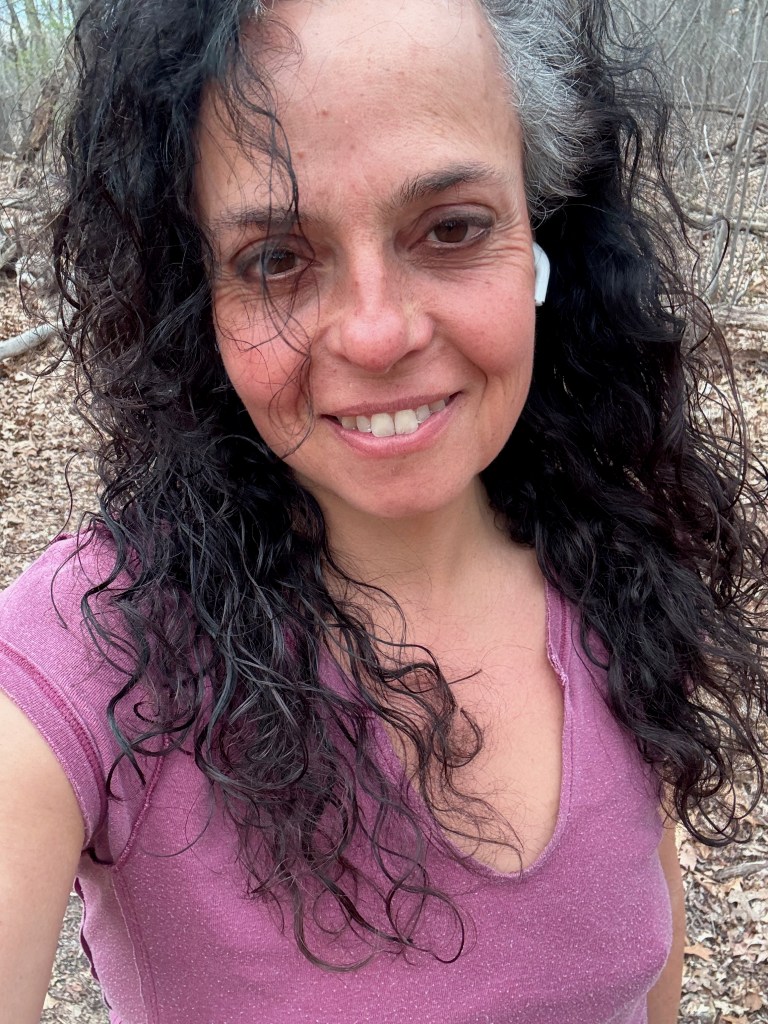
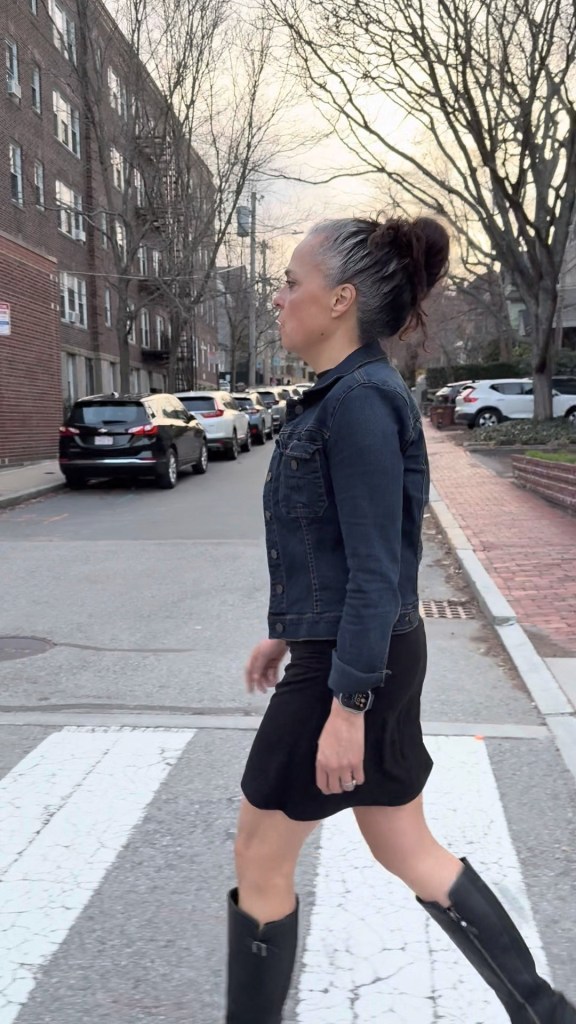
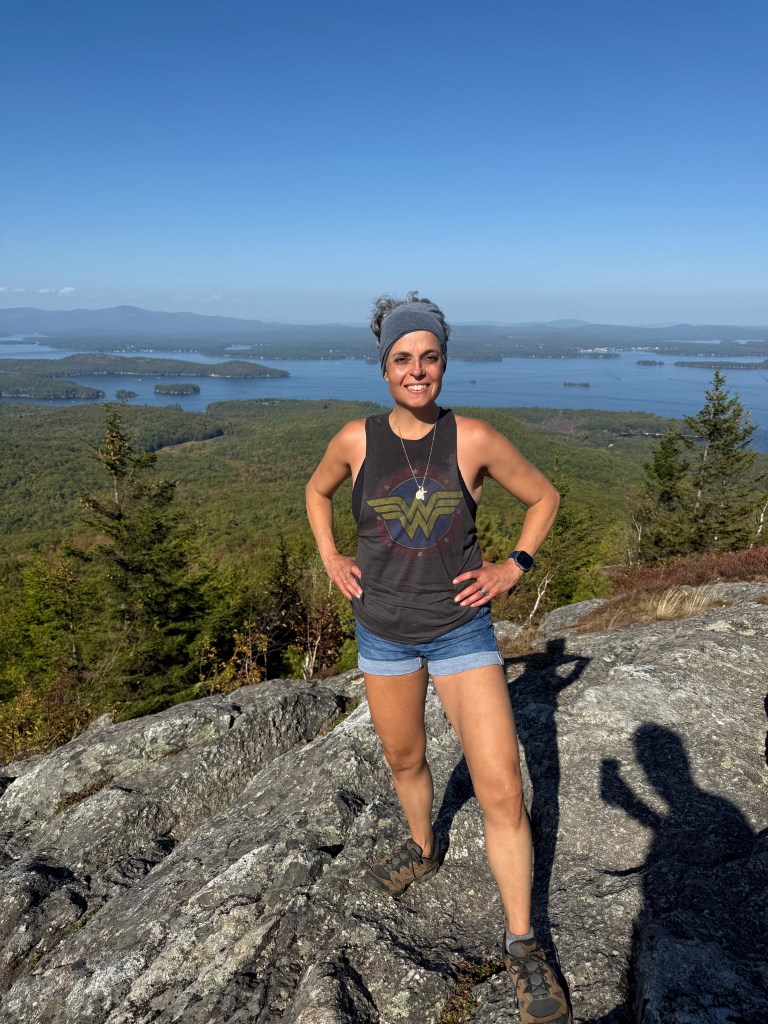

So for my 52nd birthday, I gave myself a gift. I stopped coloring my hair and agreed to sit in the discomfort. I promised I wouldn’t hide any part of this transition.
Not the gray roots.
Not the bloated belly that shows up sometimes.
Not the tight jeans.
Not the poor sleep that comes from under-fueling and paying for it later.
And not the truth that multiple things can exist at once.
I can look incredible in a little black dress and two days earlier feel bloated and uncomfortable. I can feel strong and grounded and still have my body respond when my period shows up and everything shifts. That isn’t failure. That’s physiology.
I wasn’t going to curate this into something cleaner or more linear than it is.
Because longevity isn’t polished.
It’s lived.
When You Stop Hiding, You Get Seen
What I didn’t fully appreciate was how visible that decision would make me.
When you live out loud and stop hiding, people notice. And with visibility comes commentary. Opinions. Projections. Sometimes thoughtful. Sometimes careless. Sometimes just a single word with no explanation.
That’s part of the deal.
Longevity training has taught me that being alive invites judgment — not because you’re doing something wrong, but because you’re doing something real.
Over the past year, I’ve heard opinions about my hair, my body, my intensity, my work. I’ve been told to transition slowly. To keep coloring. To shave my head. To cut it short because I “have the bone structure.” I’ve been told I’m too skinny. Too intense. Too much. Not credible.
I’ve even been called a scammer. In all caps. With no curiosity. No context.
And despite decades in this industry and real results, I still hear the voice in my head that says: you’re fat.
That isn’t weakness.
That’s conditioning.
The Auntie
Self-doubt didn’t start online.
It started with the first auntie who hugged me and told my mother she needed to “do something about this,” while grabbing my waist. So when doctors later told me to lose weight, it felt familiar. Praise and criticism lived in the same place in my body. Approval and shame tangled early.
Today, we understand that grabbing someone’s body and commenting on it crosses a line. And yet social media has created a loophole — a socially approved version of the unsolicited comment.
The modern auntie.
Sometimes it’s framed as concern. Sometimes as advice. Sometimes it’s just mean. Either way, it usually says more about the person offering it than the person receiving it.
Once I saw that, things got easier.
Recently, a family member expressed concern that one of my photos wasn’t “professional enough” because there was a little nipple exposure. I laughed. Genuinely. I wasn’t embarrassed. I didn’t explain or fix anything.
I didn’t give a fuck.
Another time, someone told me I shouldn’t let my hair keep growing out because it “looked so good” when it was short and gray. I understood what they meant. They liked it that way. It felt familiar.
But I didn’t do this to land on a version of myself that made other people comfortable. I did it to see what it felt like to keep going — to live inside my own choices instead of stopping where others felt reassured.
And when I catch that old voice in the mirror — you’re fat — I recognize it instantly. I know where it came from. I say, I heard you, auntie. And then I move on.
Not because I don’t care or their opinion has no value.
But because I’m good with my choices.
That’s the shift.
Not the absence of commentary, but the absence of obligation to respond to it. Recognizing that this might be their thing — not mine.
Listening Instead of Fighting
What this year taught me wasn’t how to override my body — it was how to listen to it.
Yes, there were years when my body felt like it betrayed me. Pain. Weight changes. Autoimmune diagnoses. Hormonal chaos. But part of that story was also me ignoring it. Pushing through signals. Expecting performance without listening.
So who was betraying who?
I stopped fighting.
I started paying attention — to what it needed, what it was asking for, and when it needed less pressure, not more.
That didn’t make my body easy or predictable. It made the relationship more honest. Less adversarial. Less about control and more about trust.
Longevity, for me, has been about rebuilding that relationship. Not perfection. Not blind obedience. Just mutual respect.
Being Seen Without Explaining Yourself
What makes me me are the imperfections.
The laugh lines.
The stress vein that pops out of my head.
The silver that was hidden for years.
Sometimes that means reintroducing myself to people who don’t recognize me anymore.
That’s okay.
Because what I’ve gained is more valuable than being familiar or palatable.
It’s liberating to be authentic.
To stop editing yourself for comfort.
To let your body and choices reflect a life that’s actually being lived.
I’m no longer trying to be acceptable.
I’m visible.
And once you live this way, you’re not easily forgotten.
The Long Game
Longevity training isn’t flashy.
It’s boring habits done consistently.
It’s restraint. Discernment. Boundaries.
It’s choosing a body that feels good over one that just looks acceptable.
A life that actually works over one that needs approval.
This doesn’t mean certainty.
I still doubt myself. I still question how things will land. I still feel uncomfortable sometimes.
But I don’t fight it. I don’t explain myself. I don’t correct someone else’s story.
I check in with myself.
Do I feel strong.
Do I sleep well.
Do I recognize myself in my own life.
Most days, yes.
Longevity isn’t confidence.
It’s commitment.
I have doubts.
Just no regrets.
If this resonates, I share more of this work — aging, strength, longevity, and the unpolished parts in between — on my YouTube channel. https://www.youtube.com/@ThriveBeyondDiagnosis
 My Life Unbalanced
Too good. Grey looks good on you.
LikeLiked by 1 person